Everyone is at some point in their life. There will be many firsts. It’s important to get respite. Restorative Sleep can help you refuel for the days ahead.
A Calling Rooted in Compassion
For many caregivers, this journey starts with love — for a parent, a spouse, or a dear friend. You never intended to become a medical advocate, a memory-keeper, or a crisis manager, but here you are, navigating the complexities of dementia care with grace and grit.
My personal experience taught me that “Caring for my aunt and then my father showed me that supporting others is my purpose — even when it hurts.”
Sound familiar?
As the number of dementia cases grows, so does the need for strong, compassionate caregivers like you. But where does that leave you — your rest, your mental health, your voice?
Why a Diagnosis Matters
Contrary to common belief, dementia is not a natural part of aging. Nor is it a singular disease with a clear cause like polio or the flu. Alzheimer’s and other related dementias (AD/ADRD) can stem from multiple complex causes — some genetic, some environmental.
That’s why researchers emphasize the importance of early and accurate diagnosis. Not only can this rule out other treatable conditions, but it also gives families time to plan, adapt, and connect with essential resources.
And here's the kicker: Researchers want your input. They need real-world data, feedback, and participation in studies to better understand what works — and what doesn’t — on the road to finding a cure.
Conversations That Change Minds
Have you ever sat down with a friend, opened up about your caregiving exhaustion, and been met with judgment instead of support?
It’s painful. But it’s also a chance to educate.
Instead of reacting in frustration, take a deep breath. Then ask, “What do you really know about Alzheimer’s?” You might be surprised at how little they understand. Use the moment to share how the disease slowly destroys brain functions — one day affecting speech, the next, memory or walking.
Each conversation is a seed of awareness planted in fertile ground.
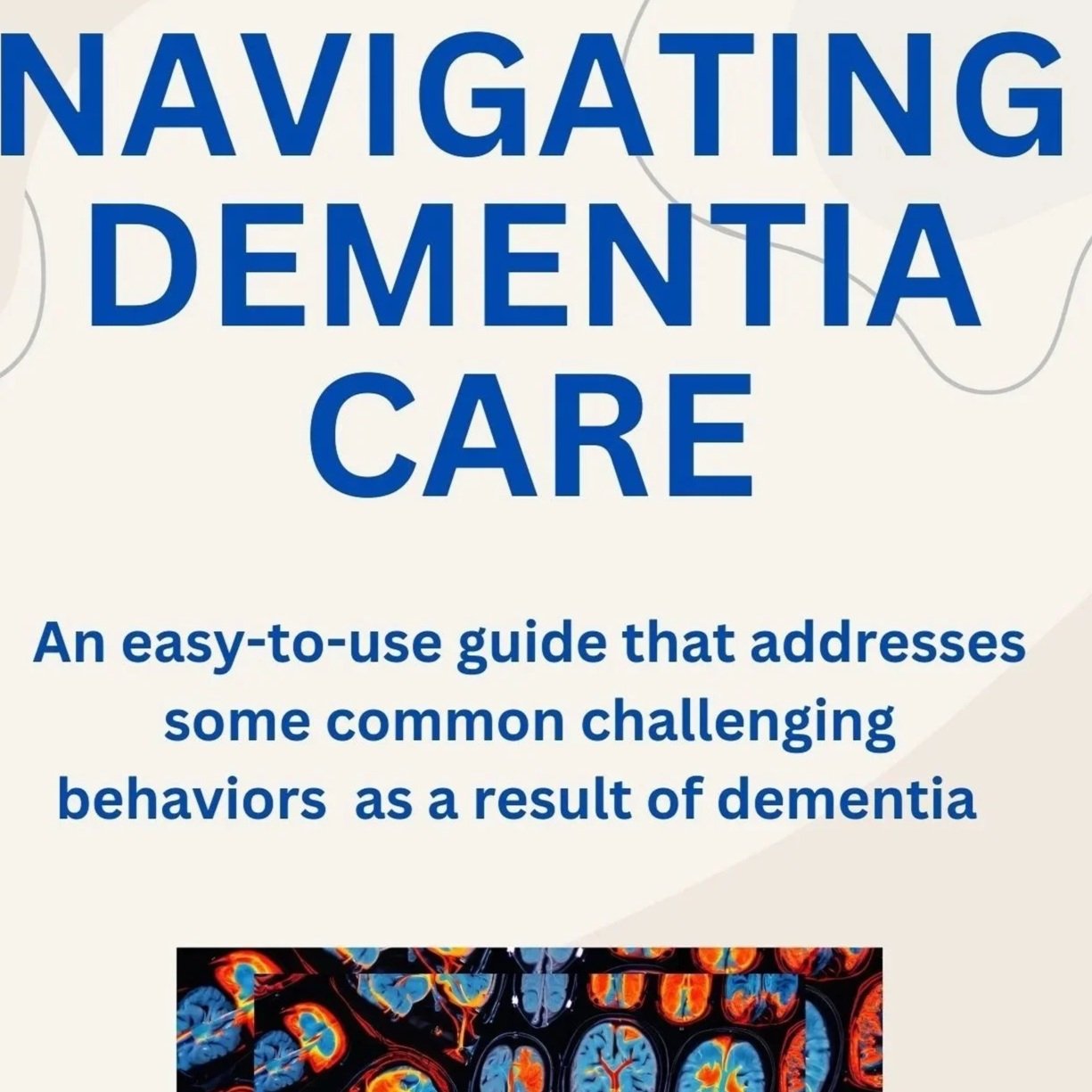
Step-by-step guidance in a digital download for easy access
Caregiving for a loved one with dementia is the most challenging role you have ever undertaken. It is often a 24/7 cycle defined by unpredictable moods, repetitive questions, and the persistent, heavy weight of uncertainty.
However, providing care should not come at the expense of your own well-being.
Designed as your essential, real-time roadmap, this 85-page guide moves beyond clinical theory to provide actionable, "in-the-trenches" strategies.
You will learn how to decode challenging behaviors,
implement effective care protocols
How to foster a calmer home environment.
Stop relying on late-night, overwhelming searches. instead access clear, compassionate, and step-by-step instructions that empower you to provide the highest standard of care while protecting your peace of mind.
This guide is available as a convenient digital download, ensuring you have the tools you need—right when you need them most
Inside Your Digital Guide:
The "What to Say" Script: Exact phrases to diffuse agitation and redirect repetitive behaviors without the power struggle.
The Stress-Reduction Blueprint: How to anticipate "triggers" before they escalate, saving your energy for what matters most.
The Modern Caregiver’s Toolkit: A streamlined PDF format you can reference on your phone or tablet the moment a challenge arises.
From Crisis to Calm: Learn the simple shift in perspective that turns a daily battle into a moment of genuine connection.
Sleep Isn’t a Luxury — It’s a Lifeline!
You’ve heard the phrase, you can’t pour from an empty cup. Nowhere is this more true than in caregiving. Recent studies funded by the National Institute on Aging show that poor sleep can accelerate biological aging, increase inflammation, and even signal impending dementia — not just for the person you care for, but for you, the caregiver.
Researchers have linked fragmented or insufficient sleep to:
Higher risks of depression and cardiovascular disease
Greater cognitive decline
Emotional regulation issues
Increased caregiver burnout
But there’s hope. Interventions like Cognitive Behavioral Therapy for Insomnia (CBT-I) show promising results in reducing these risks and restoring emotional balance.
It’s okay to feel mad at the world. It’s okay to be exhausted, resentful, or unsure of the next step. What matters is that you don’t stay silent in your struggle.
Whether you’re exploring memory care facilities, seeking respite, or simply craving a moment to breathe — remember, your well-being is not optional.
Take the Next Step:
Contact me directly for support or to locate resources in your area
Hashtags to Join the Conversation: #alzheimers #dementiacare #caregiversupport #dementiasupport #dementiacaregiversupport #alzheimerssupport #caregiverburnout #sleepandcaregiving #memorycare #respitecare
Stay well and know that you are both doing your best!