Support & Tools
First Steps After an Alzheimer’s Diagnosis.
First, let’s look at what Alzheimer's Disease is:
Alzheimer’s Disease is a terminal illness. So is life!
At least 2 parts of the brain are dying.
There isn’t a treatment, and it is progressive.
It’s crucial to recognize that managing this disease requires a comprehensive approach and support system.
Alzheimer’s is the cause of dementia. Dementia is an umbrella term. There is always a primary cause of dementia; lifestyle choices are one of them.


Consult with a Doctor
Meet with a Doctor to assess the needs of the person diagnosed with Alzheimer's. The primary care professional will distinguish if the illness is a symptom of a disease or infection that he can treat. If they suspect that it is neurological, you will receive a referral to a Neurologist. A Neurologist will apply tests that diagnose the damage and what may be causing it.
Discuss treatment options, care plans, and necessary medical support. You may or may not receive this information at the Doctor’s office. Often you will find yourself sent home with a brochure and a 3-month return appointment.
Create a Notebook; in it write the questions you would like to ask the Doctor on your next visit. Keep it in a place of convenience, so you may access when a question comes to mind or you see a behavior you are unsure of.
Keep a list of current medications and allergies in the Notebook, along with emergency contact numbers and next of Kin.
2. Build a Support System
Caregiver Support: Realize that you cannot do this alone. Caregivers need support, and the person with Alzheimer's will need assistance as the disease progresses. Create a “task list” (keep in your Notebook) of what you could use help with. Respite care is essential for both you and your caregiver. Begin a list of businesses that may be able to help; call them when you are ready for respite care.
Family Involvement: Meet with family members to determine who can help and discuss financial matters. Prepare relevant financial information in advance. Great time to have your “task list” handy.
3. Prepare the Home Environment
Remove Clutter: A clutter-free home reduces confusion and stress. Remove throw rugs and other tripping hazards. Move or remove tables with sharp edges. Remove breakable items.
Safety Measures: Install door alarms to alert you if your loved one wanders outside. As the disease progresses, consider removing potentially dangerous items like the stove (disconnect), coffee maker, or toaster. You may also want to install child locks on cabinets, the door to garage or other rooms you do not want access to.
4. Share Your Concerns
Community Support: Share your concerns with friends, family, and support groups such as social clubs or churches. Building a support network is essential. Seek assistance at your local Senior Community Center or Public Library.
5. Keep a Journal or Notebook
Track Changes: Maintain a notebook to document any behavioral changes. This can help identify patterns and be helpful to inform medical personnel. Note if the behaviors came on suddenly or began shortly after starting a new medication.
Behavioral Changes: Be prepared for daily changes in behavior or personality. Sometimes, these changes are due to medical issues, such as urinary tract infections (UTIs), which can be treated. A person may lash out when they are in pain or uncomfortable; this may be their only way of showing it (they are unable to find the words to express their discomfort).
6. Embrace the Moment
Caregiving Approach: When you are a caregiver, it’s often easier to “be in their moment” rather than trying to convince the person with dementia (PWD) otherwise. This approach can reduce stress for both parties. Keep in mind the person living with dementia’s brain is operating on what information it has left and they truly are doing the best they can with what they have left. Arguing will get you nowhere and could escalate the situation.
7. Self-Forgiveness
Forgive Yourself: Caregiving is challenging, and mistakes will happen. There is no one-size-fits-all answer to the situations you will encounter. Providing love and compassion is the best you can do. Let go of any guilt. You will make mistakes, its inevitable. Don’t give up, try another approach.
This is another reason why “self-care” is so important, and you keep hearing the term. Every day could bring a new challenge. Please enable yourself to step back, take a deep breath, and address the challenge with a clear head and calm emotional system.
Set up respite care BEFORE you need it, so all you have to do is make a call! Refer to your Notebook.
Recommended Resources
As an Amazon Associate, I earn from qualifying purchases. Your support helps me provide valuable content, and I thank you for choosing this source. I only recommend items I believe will bring you value.





Resources
Find information about support in your area.
Alzheimer’s Association
They can connect you to local services and trained providers: 24/7 Helpline (800-272-3900)
Area Agencies on Aging
Most counties have an AAA that can connect you to local dementia-friendly care programs.
U.S. Administration on Aging
Enter your zip code to find services near you: eldercare.acl.gov
Family Caregiver Alliance
Quality information, support and resources for family caregivers.
ARCH National Respite Network
A directory of respite programs nationwide: archrespite.org/respitelocator.
Faith-based or Community Program
Some churches or nonprofits provide free or sliding-scale respite services.
As dementia progresses, everyday tasks like eating and drinking can become challenging—but the right tools can make all the difference. Imagine mealtime without the frustration of spills, dropped utensils, or food sliding off the plate. These thoughtfully designed adaptive dining essentials—like no-spill cups, curved-edge plates, and easy-grip utensils—help bring comfort, dignity, and independence back to the table. Whether you're caring for a loved one or planning ahead, these simple yet effective tools can turn mealtimes into moments of ease and connection.
There are many assistive items that can be found that you will need. I’ve discovered a few that become essential. Be sure to research the items for size and weight requirements. These are suggestions.


Getting in and out of bed, the car, or even the shower can become daunting for someone living with dementia—but it doesn’t have to be. Simple, supportive tools like bedside rails, car assist handles, sliding shower chairs, and toilet supports can provide the stability and confidence needed to move safely and comfortably. These aren’t just gadgets—they’re peace of mind for both the person and their care partner, reducing the risk of falls while promoting independence. Small changes can make a big difference in daily life. To simplify the process I’ve shared a few ideas that you can purchase directly from Amazon below.



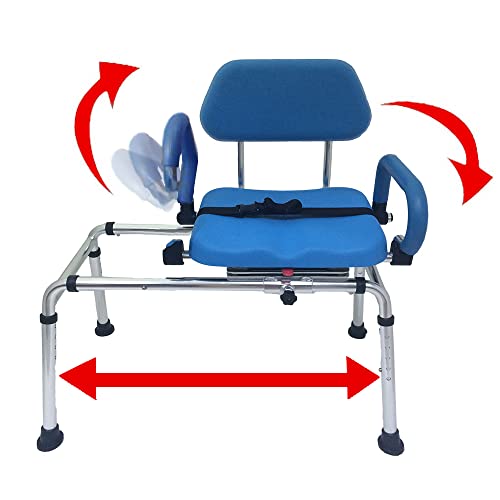
As an amazon affiliate I may earn a small commission from your purchase. This does not affect the cost of your purchase.