Understanding dementia begins with a key truth: symptoms do not appear all at once.
This disease changes slowly over time, making a loved one's day-to-day life unpredictable.
It’s natural to feel overwhelmed by this constant change.
Knowing exactly what to look for is the first step to managing care with confidence.

Dementia caregiving is a journey that shouldn't be traveled without a map. ✨
You Don’t Have to Walk This Path Alone—Or Exhausted. ✨
Managing a career, a household, and the complex needs of a loved one with dementia isn't just difficult; it’s physically and emotionally draining. You are often the "voice" for someone who can no longer speak for themselves, but who is speaking for you?
Care partner burnout builds quietly. Long days become longer nights. Decisions pile up — medical, legal, financial, daily comfort — and the constant vigilance chips away at sleep, patience, and identity. You give so much of yourself to keep someone safe and dignified. That dedication deserves its own advocate.
You need:
A plan that shares the load — practical steps to delegate tasks, set boundaries, and ask for help.
Simple routines that reduce decision fatigue and create predictable comfort for the person you
Care for.
Tools to protect your health — mental breaks, short restorative practices, and time-limited activities that recharge you.
Clear, compassionate communication scripts for doctors, family
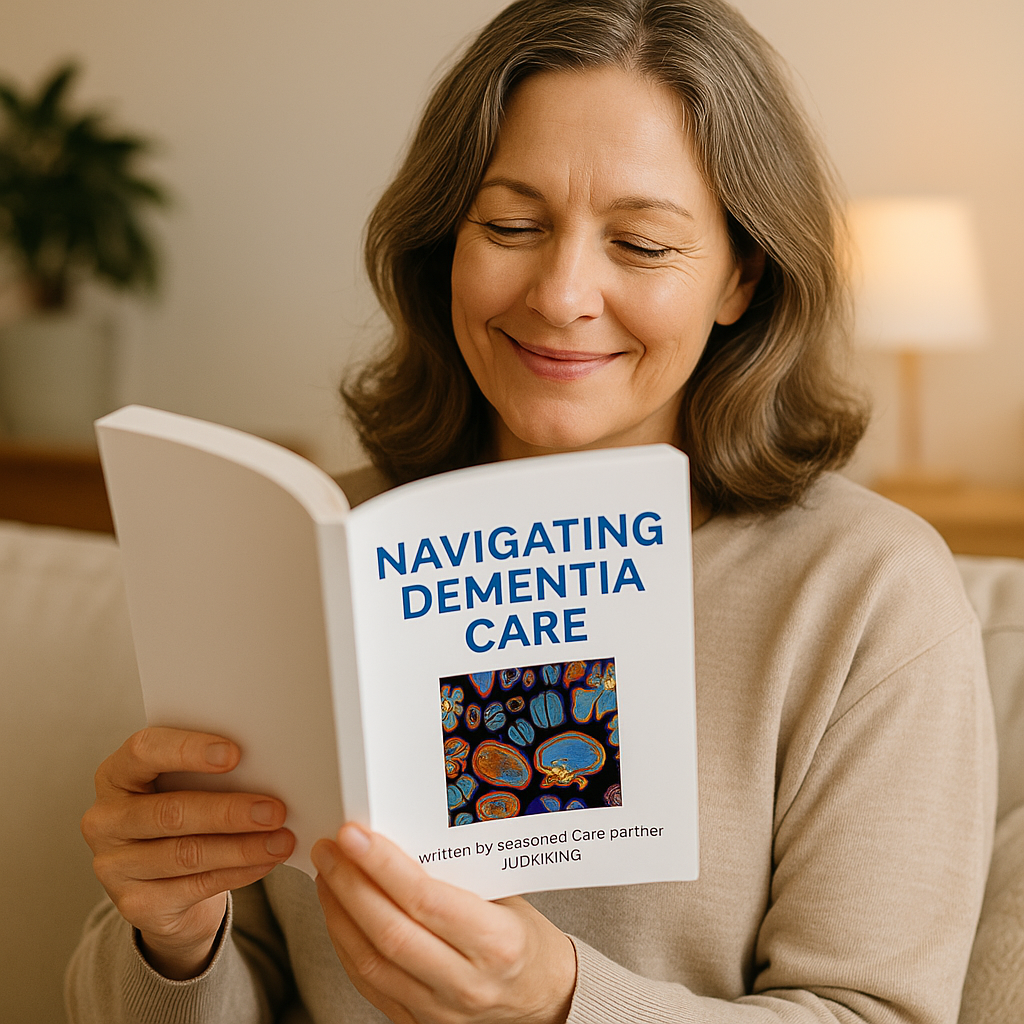
Navigating Dementia Care is the companion you need to reclaim your energy and your confidence. This guide moves you past the "survival mode" of physical exhaustion by providing high-impact, practical tools designed for your busy life:
Master Every Medical Appointment: Stop the anxiety of forgotten details with our structured Doctor’s Visit Prep Sheets, ensuring you ask the critical questions about medications and side effects. Track with Precision: Use professional observation techniques to streamline how you report changes in mood, appetite, and behavior to healthcare providers.
Know the Signs: Instantly distinguish between normal aging and dementia-related shifts, so you can stop second-guessing and start acting with authority.
Written by a seasoned consultant who understands that while your loved one may not always remember the details of the day, they will always feel the warmth, kindness, and stability of your informed care.
There’s no better time to bring peace back to your journey. Grab your copy today and transform the way you care.
Equip yourself with the tools for a calmer tomorrow!
👉 Click “Get the Guide” and take the first step toward empowered, compassionate caregiving!