What is VSED?

Recently I saw mention of a person diagnosed with FTD and she in preparation wants to create a VSED (Voluntary stop eating and drinking - End of Life). She wasn’t sure how long she would have mental capacity to make the decision and did not want to miss it.

I was curious about the definitions and here is what I found: 

According to the National Institute of Health a person may choose VSED as long as they are mentally capable of making the decision.

Definition of “mentally capable” according to Cornell Law School - 

Excerpt: Mental capacity means you can make your own decisions by being able to: understand all the information you need to make that decision, use or think about that information, remember that information, and. communicate your decision to someone else.

It is my understanding that a person with a terminal illness has the right to choose this option and depending on the illness and how it affects their mental capacity they would want to prepare one as soon as they are confident in their decision. 

Has anyone heard of this option before this post?  

Recently talking to a friend that works in Hospice care I inquired about this process and if she ever saw it used. She said she had but that she hadn’t witnessed anyone making it through the whole process. The person would give into thirst.

I have personally witnessed this process and it isn’t pretty. In the instance I witnessed the person was on Hospice and therefore had the option of pain relieving medications. I can see that this is a necessary process for someone wanting to come off a feeding tube (PEG) and allowed to die a “natural” death by not being force fed.

Click here to Stop Searching and Start the Caring! Get your Care partner guide to Navigating dementia-a step by step guide. Created by a seasoned Care partner with over 20 years experience.


Credits: National Institute of Health -https://pubmed.ncbi.nlm.nih.gov/29532465/VSED

Cornell Law School-https://www.law.cornell.edu/wex/mental_competence
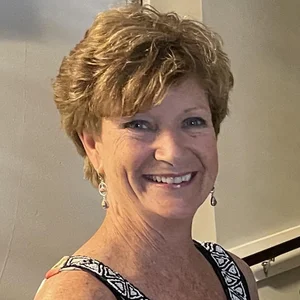

Judy King

Welcome to Arms of Grace Respite Care, llc. My name is Judy, and I am deeply passionate about supporting care partners who walk the challenging yet rewarding path of caring for someone living with Alzheimer’s or other dementia. With over 16 years as a business owner and a lifetime of varied experiences, I’ve cultivated a heart-centered approach to care that emphasizes compassion, understanding, and empowerment.

My journey has been shaped by firsthand experience with conditions such as Parkinson’s, primary progressive multiple sclerosis, spinal cord injury, Alzheimer’s, and common geriatric issues.

To better serve care partners, I pursued CNA training and furthered my education through Teepa Snow’s Positive Approach to Care, which provides invaluable insights into brain changes in those living with Alzheimer’s. I remain committed to staying informed, reading current research on Alzheimer’s disease weekly, and volunteering at an assisted living community I previously worked at. I provide a Chair exercise program that promotes Neuroplasticity. It is named Ageless Grace(timeless fitness for the body and brain).

Beyond my professional life, I am a wife, mother, grandmother, and someone who finds joy in the outdoors, crafting, and helping others. I am here to guide you with compassion and practical tools to navigate the complexities of caregiving. Together, we can ensure that you and your loved one feel supported every step of the way.

https://livewithdementia.com
Previous
Previous

What does “Showtime” mean?

Next
Next

How do you get a person living with dementia to exercise? What type of action will they respond to?